QIMG MING REFLECTIONS
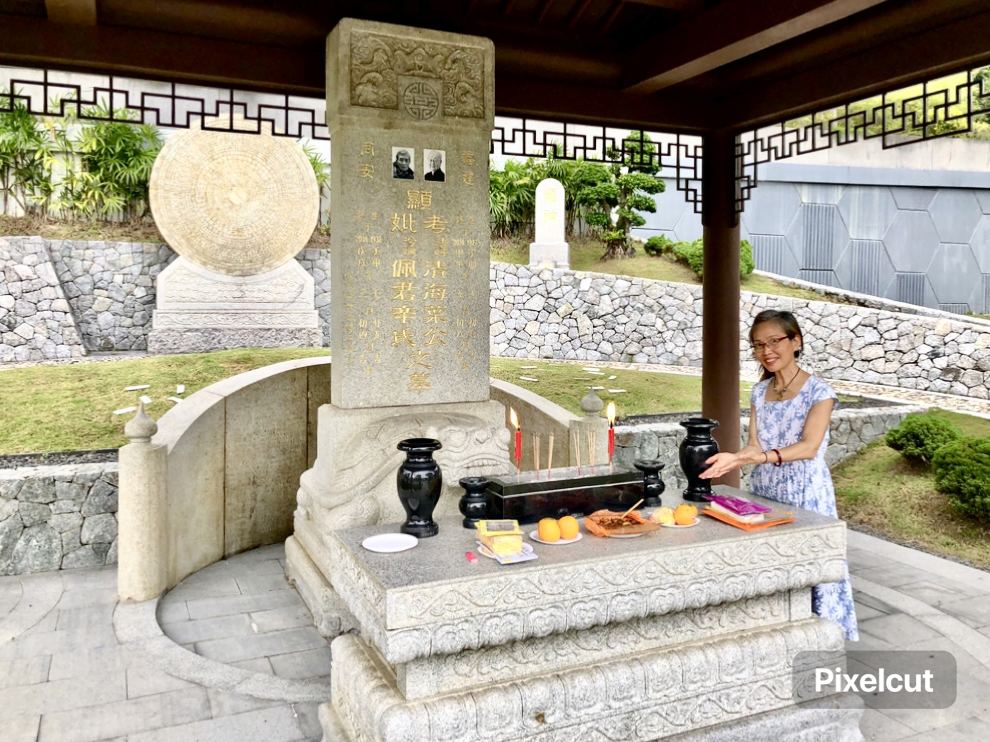
As the gentle breeze of autumn rustles the leaves and calls them to their rest, I am reminded of that sacred time of year — the one day when all pause to honour those who came before us. As I place flowers and food upon the altar for my parents, and the soft curl of incense smoke rises like whispered prayers to the heavens, I find myself once again drawn into the stillness of Qing Ming — 清明, the Festival of Clear Brightness.
Qing Ming is more than a seasonal rite — it is a bridge. A bridge between worlds, linking the living and the departed not only through ritual, but through reverence born of love, gratitude, and enduring loyalty.
As a child, Qing Ming held a quiet gravity. My parents would take us to the temple where the ancestral spirit tablets of my paternal grandparents were enshrined. In that solemn hall, beneath the watchful eyes of dragon pillars and the glow of lantern light, we would bow, burn incense, and offer fruit with the utmost care. I still remember the hush of the space, the weight of the moment as my father lit the joss sticks, and my mother prepared the offerings. There were no gravestones to visit — my grandparents had passed abroad, in ancestral soil. Yet through these sacred tablets, their spirits were called to where current generations live and their presence honoured.
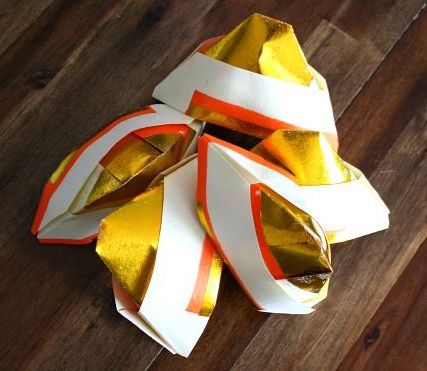
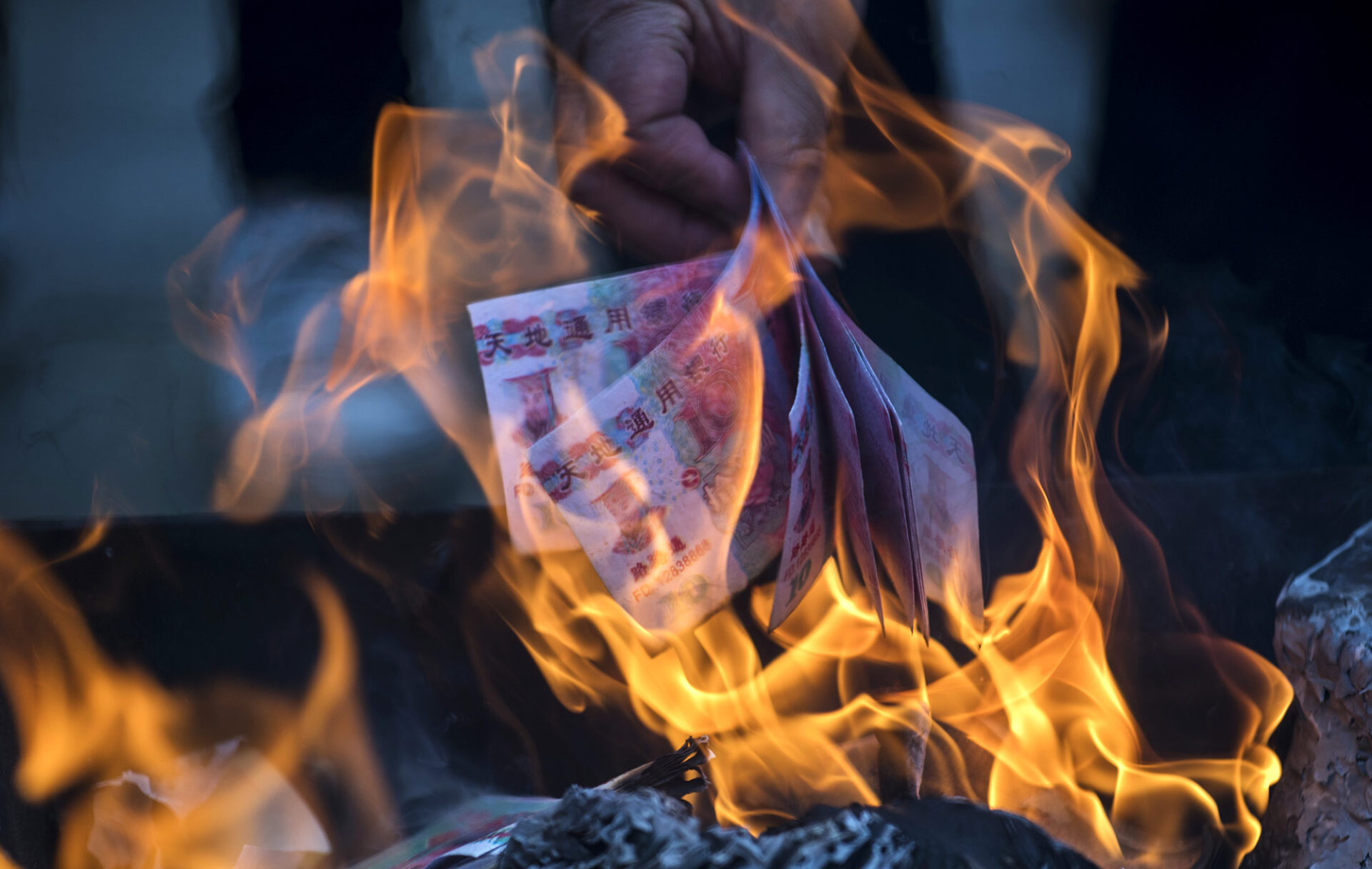
We folded joss papers into gold and silver ingots, symbols of wealth and abundance sent to the afterlife. Others were meticulously layered into ascending tiers, evoking the graceful form of a pagoda — each level a quiet prayer for spiritual elevation, harmony, and peace beyond this world. All were then offered to the fire, their essence carried skyward in smoke, as gifts to our grandparents, great-grandparents, and all who came before us — a timeless gesture of filial devotion and reverence that transcends generations.
And that was how I first learned what it meant to honour the departed — not through mourning, but through presence, acts of respect, and deep continuity.
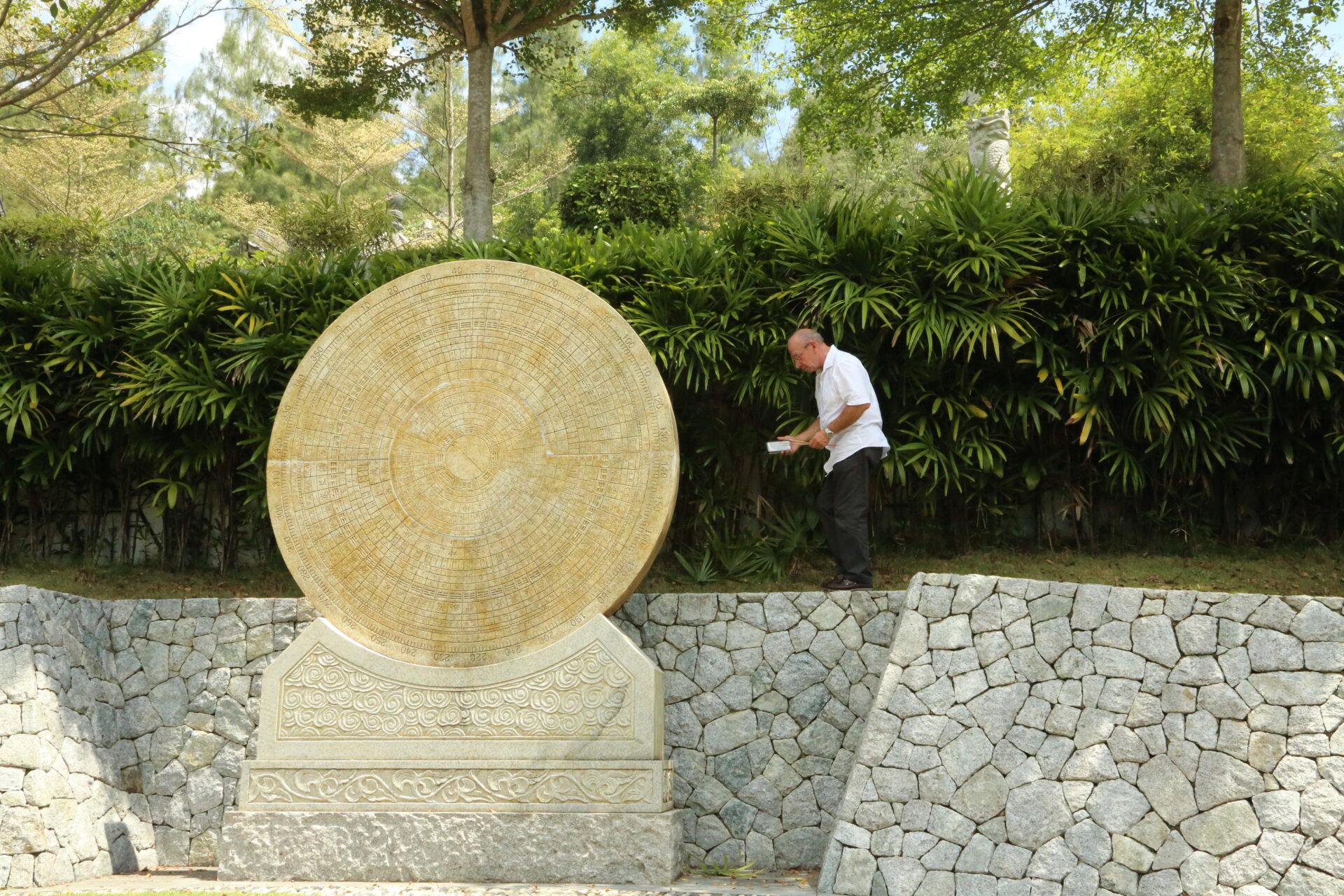
It is this same tradition I now carry forward for my own parents — but with one poignant difference: we now have their resting place. Their graves, nestled within a serene and thoughtfully chosen cemetery, offer us the full expression of Qing Ming rites. Because I can’t always be present, I observe this day in my private prayer room, where their spiritual presence is honoured.
Qing Ming is a festival of paradoxes — a day of brightness and sorrow, clarity and nostalgia. Its origin lies in the ancient tale of Jie Zitui, a loyal and selfless servant from over 2,500 years ago, who gave his life in quiet devotion. Though his sacrifice was overlooked in his lifetime, his memory was later immortalised through the act of remembrance. Qing Ming teaches us that to honour is to truly acknowledge, and to remember is to rekindle the light of virtue — not only in others, but within ourselves.
And so, we sweep the graves. We offer symbolic treasures to the afterlife. We fold paper into forms of gold, clothing, pagodas— and in setting them alight, we send messages not only to those beyond, but to ourselves: “You are remembered. You are loved. Your legacy lives on in us.”
The ritual is more than symbolic; it is transformative. It reminds us that death is not an end, but a return. A cycle. A remembering, an invitation — to honour lineage, to deepen one’s roots, and to participate in the sacred rhythm where heaven and earth meet in harmony. At this junction of renewal, life and death speak to each other softly.
Qing Ming reminds us to tend to what matters — not only the visible, but the invisible threads of connection that define who we are. I am who I am today because I was taught to remember. And now, I teach others to do the same — not only for harmony in space, but for harmony in spirit.
May your Clear Brightness be filled with warmth, gratitude, and the joy of remembering well.
With reverence and renewal,
Master Boon