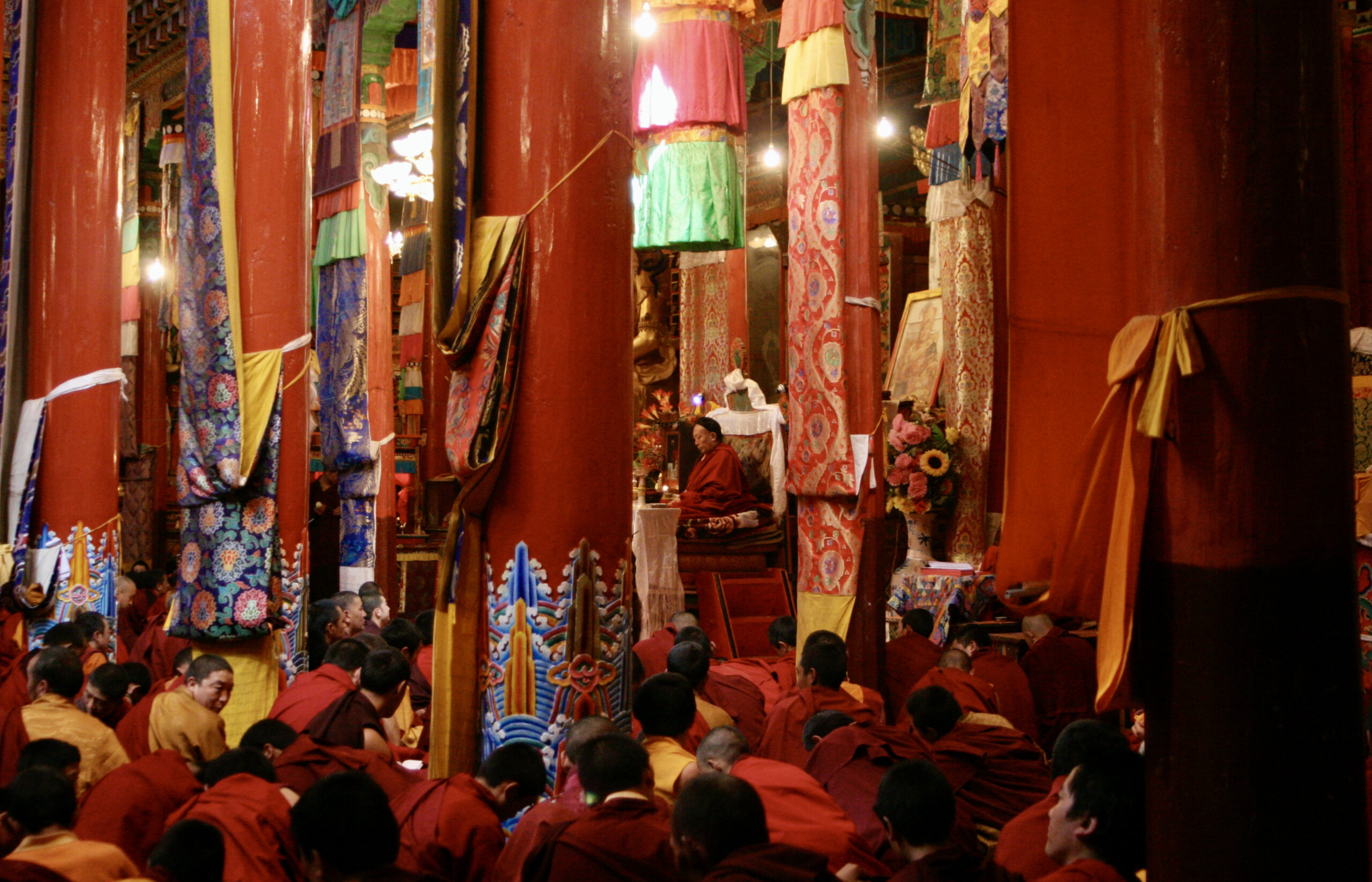
I was brought up Buddhist and Daoist in a Muslim country, attended Methodist and Catholic Convent missionary schools, and one of my closest friends in university was Jewish. So how’s that for a rich mosaic of diverse cultural and spiritual influences? Either that, or it makes for a case of multi-faith personality syndrome – I can’t decide if I should meditate, pray, fast, or celebrate with a challah!
As a Buddhist, I cherish today as Wesak Day, a significant and widely celebrated holiday in the Buddhist calendar. Wesak commemorates the three major events in the life of Gautama Buddha, the founder of Buddhism: his birth, his attainment of enlightenment (Bodhi or awakening), and his passing into final nirvana (parinirvana). Wesak typically falls on the full moon day in the month of May.
Observances of Wesak include a variety of rituals and practices, such as meditation, chanting of sutras, making offerings to temples, and engaging in acts of generosity and compassion. These customs serve to honour the Buddha and reinforce the central teachings of Buddhism, encouraging followers to cultivate virtues like wisdom, ethical conduct, and mindfulness. Wesak is a time for Buddhists to reflect deeply on the Buddha’s life and teachings and to commit to incorporating these principles into their daily lives, aiming to progress on the path towards realisation.
The central teachings of Buddhism provide practical guidance on living ethically, cultivating mental discipline, and nurturing wisdom to navigate life’s challenges and find fulfilment. These teachings emphasize the inherent human struggle with dissatisfaction, stress, and the impermanence of all things—a concept akin to the universal experience of life’s ups and downs. Central to Buddhism is the recognition of impermanence, the interconnectedness of all beings, and the innate capacity for personal growth and transformation towards enlightenment.
Enlightenment in Buddhism is a state of awakened understanding and liberation. It signifies the realization of ultimate truth, the end of suffering, and the full development of compassion and wisdom. This profound transformation allows an individual to live in harmony with the world, free from the illusions and attachments that cause suffering. Fundamental to this is that enlightenment is an intrinsic quality that can be realized through practice and insight, and that everyone has the capacity for transformation and awakening.
In sharing this, I hope to inspire others to explore the rich tapestry of wisdom that different faiths and philosophies offer, and to find their own path to inner peace and enlightenment.
Master Boon